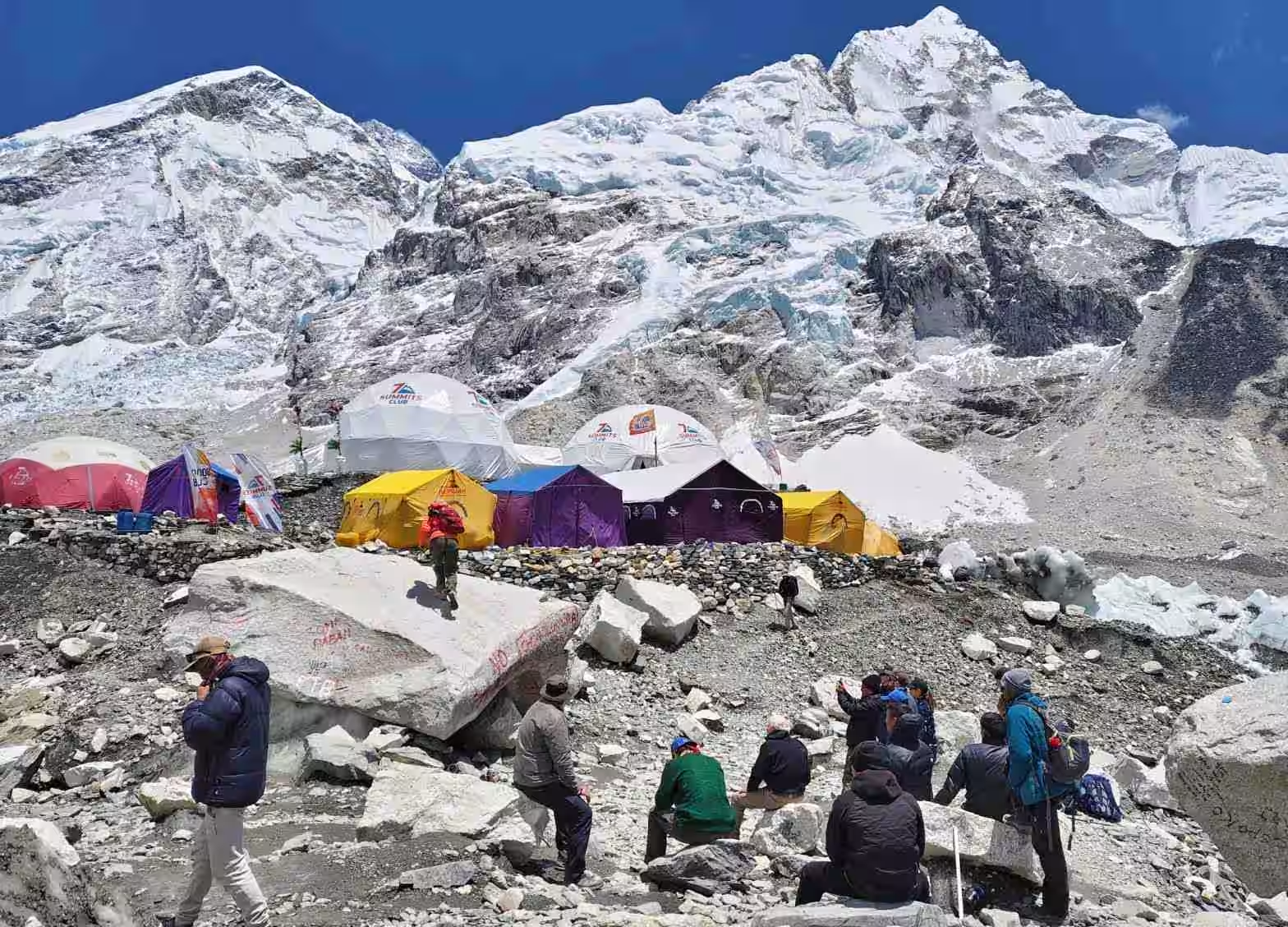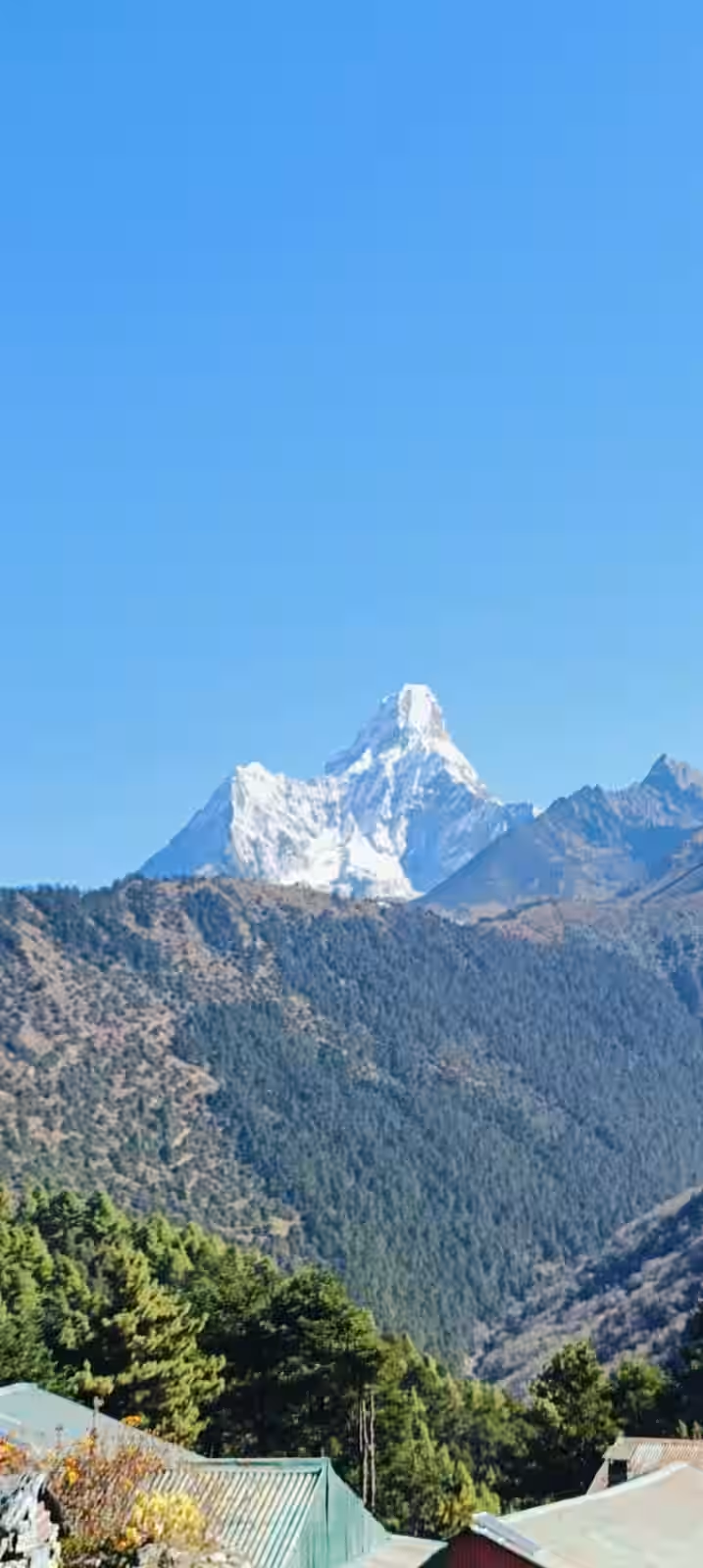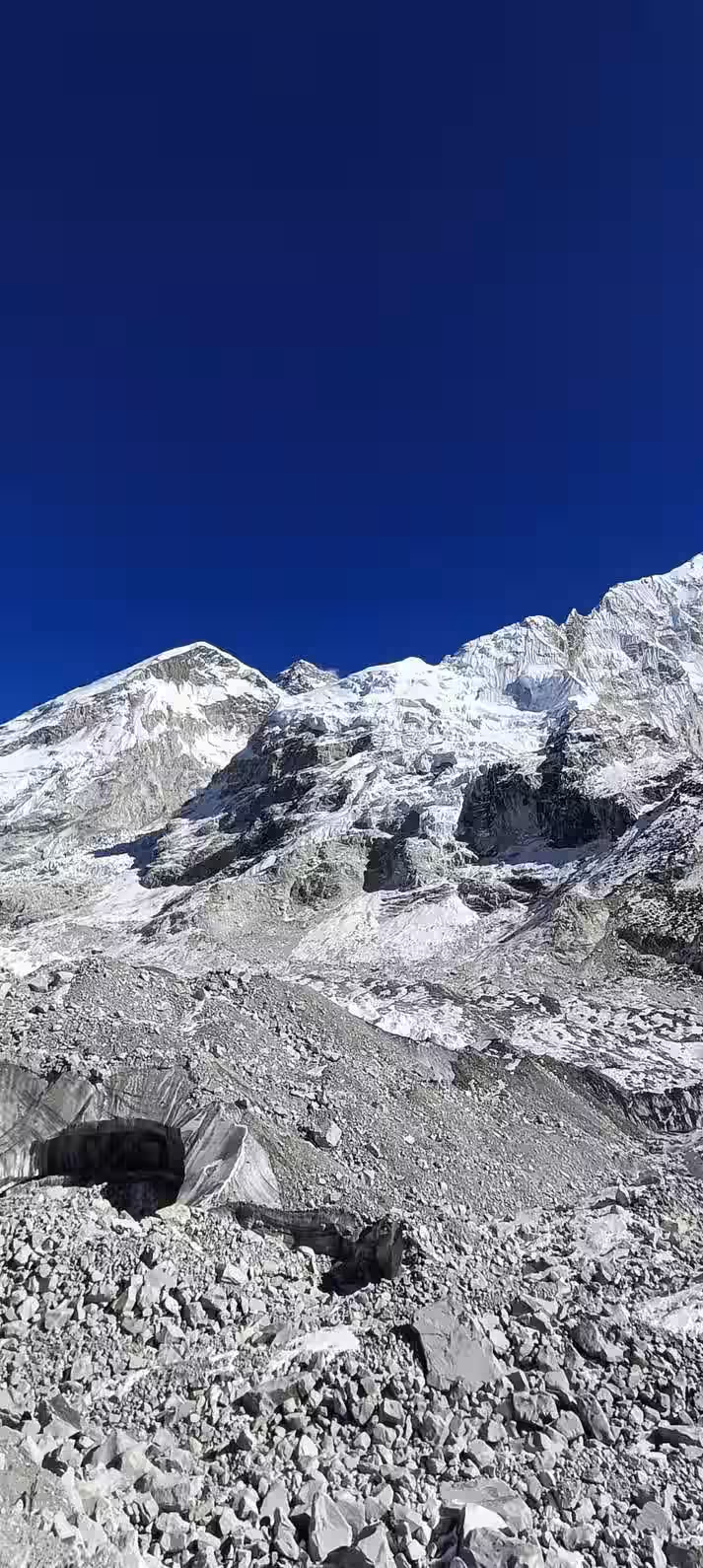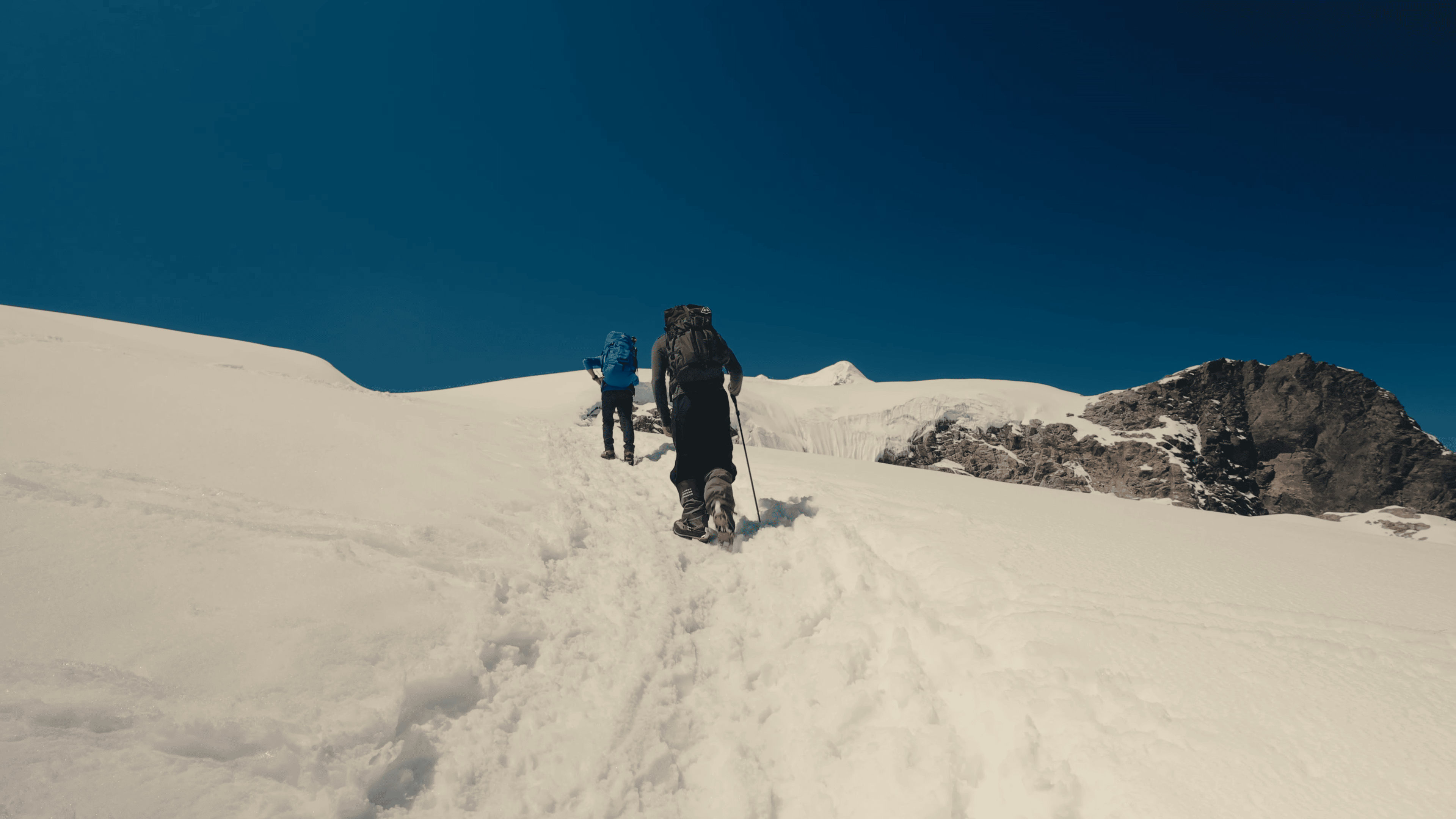
Climbing Mera Peak means days of trekking before a 6,470 m summit climb. The route through the Hinku Valley leads to snow and glacier ground above Khare. Higher up, thin air and cold can slow you down, even on less steep slopes. You still need to move with your guide and save enough energy to descend. The mix of altitude, long days, and snow skills makes this a tough climb.
Some climbers focus on the slope angle when they judge Mera Peak difficulty. That misses much of the challenge. You may be able to walk on sections of the upper route rather than climb steep rock, but you still have to do that work in cold, thin air. The climb is demanding in several ways, even when the ground ahead does not look steep.
How Mera Peak Differs From a High-Altitude Trek
A high trek can take you to a viewpoint above 5,000 m without asking you to put on crampons or join a rope team. Climbing Mera peak goes further. Above Khare, a common approach moves toward High Camp and then onto the summit route. Snow, glacier features, and the guide's chosen line affect the way the group travels.
The change is more than a new piece of equipment. On a trekking trail, you may step aside for a break or walk at your own pace. On roped ground, your pace and spacing affect other people. You need to listen to the guide, manage your gear, and keep paying attention even when the slope looks gentle.
That difference helps explain why a strong trekking experience is useful but does not cover the whole climb. It gives you a base for walking. Supervised practice adds the skills used above the trekking route.
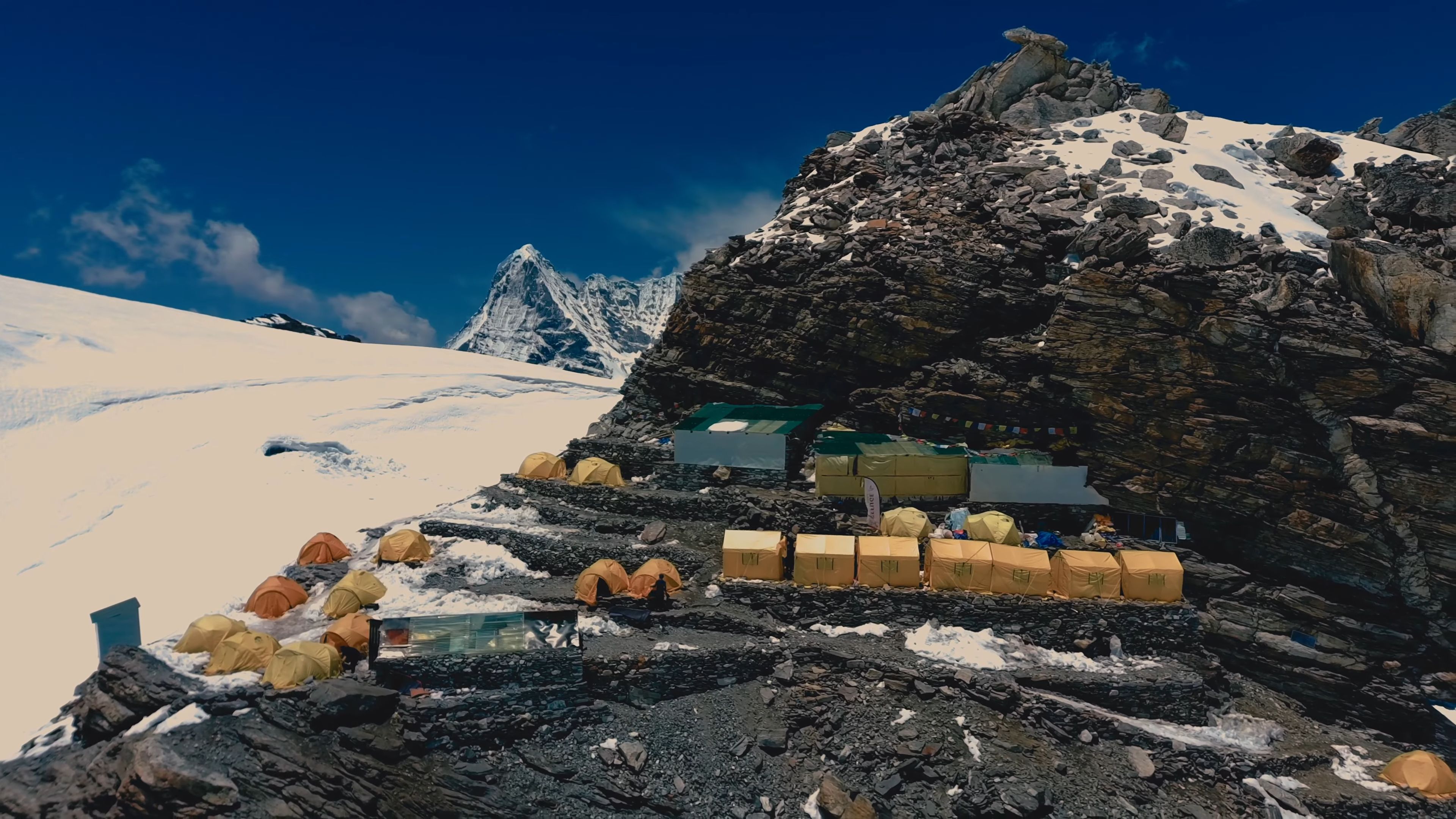
Mera Peak Altitude: What Changes Above 6,000 m?
The summit height is a major part of the climb. As you rise, it becomes harder to maintain the pace you could hold lower in the valley. A short uphill stretch may need more time, and getting a drink or changing a layer can interrupt your rhythm.
Fitness does not protect you from altitude illness. Your response depends in part on the height you reach and how quickly your sleeping altitude rises. A runner or strong hiker may still become ill.
This is why the acclimatization plan matters when you compare trips. Look at where the group sleeps, not just the highest point it walks to during the day. Ask what happens when someone develops symptoms and how the team decides whether to go higher. Those answers say more about the plan than a promise that the trek is suitable for fit people.
Why the Hinku Valley Approach Affects the Climb
Many Mera routes reach Khare after several days on remote trails. The approach can include long climbs, rough ground, and descents that leave your legs sore. The main issue is how you feel when the climbing part begins, not just whether you can finish one demanding hike.
Khare is a common place for rest, gear checks, and climbing practice before the group moves higher. Arriving there tired or with sore feet can make that work harder. A day to recover and check equipment has a different purpose from a day spent gaining distance.
This is one reason two itineraries with the same summit can feel very different. Compare the pace of the approach, the sleeping-height changes, and the time set aside before High Camp. The shortest schedule is not always the best match for your background.
Is Mera Peak a Technical Climb?
Climbing Mera Peak involves basic mountaineering skills rather than trekking alone. Climbers use crampons and an ice axe on snow, and a guide may use a rope system on glacier terrain. Depending on the day's line, some sections require more care or support than others.
The point is not to memorize a fixed slope angle. Snow cover and glacier conditions change, so the route can change too. The same section might feel different under firm snow, fresh snow, or poor visibility. Glacier crevasses make route choice a job for trained guides. Do not expect ropes to sit in the same place each season.
For a guided climb, you should know what your equipment does before you leave for Nepal. You do not need to claim you can manage glacier travel alone. You do need to understand basic instructions and know how to move with the team. A trained instructor can help you practice those skills in a safe place.
Mera Peak Summit Day: The Physical Test
High Camp sits well above the main trekking lodges on many routes. Climbers leave early and spend hours moving uphill on snow. The day then continues down to camp or lower ground. At that height, a slow pace can still feel like sustained hard work.
A summit attempt does not end when you reach the top. The team still has to come down on the mountain's snow and glacier ground. That is why being able to walk downhill on tired legs matters, even if you are more worried about the ascent.
Do not compare two operators by summit-day hours alone. First find out where each route starts and where the group plans to finish. A number without those points tells you little about the full day. For the route sequence itself, read our separate Mera Peak summit-day article.
How Much Experience Should You Have Before Mera Peak?
A useful starting point is a history of long hill walks on more than one day. You should know how your legs, boots, and pack feel after hours on rough ground. Past high-altitude trekking can give you a reference for how you felt before, though it does not predict the next trip.
Rope and snow skills matter too. Have you walked in crampons under supervision? Do you know what the ice axe and rope system are for? Could you follow simple team commands without having to learn every item while cold and tired? If not, plan a lesson before the trip. The full training process belongs in our Mera Peak preparation article.
If you only take short, flat walks, allow more time to train. Do the same if snow gear is new to you. That is a planning choice, not a fixed rule that everyone with the same background will respond in the same way.
Decide Whether Mera Peak Suits You
Before choosing a trip, write down what you know from your own experience. Can you manage repeated uphill days? Have you spent nights at high altitude? Are you comfortable with supervised rope and crampon work? If your answer to one area is no, find out whether there is enough time to work on it before departure.
Then check the trip details that affect the challenge. Check where the group sleeps as it gains height. Ask when you will practice with a guide. The camp plan should say what happens if someone feels ill or bad weather arrives. The climb may be a good goal, but a label such as “moderate” does not settle that choice for you.
Once you understand the challenge, the next step is to compare how a real trip handles it. For the next step, check the Mera Peak trip route and climbing support. Look at the rest days, High Camp plan, and guide support before you choose a date.