The Kanchenjunga Circuit Trek takes you into the remote northeastern Himalayas of Nepal. It is an isolated region that was off-limits to trekkers until the late 1980s.
This trek of Kanchenjunga Circuit is a truly off-the-beaten-path adventure. The trek is perfect for those seeking solitude and authentic wilderness. You will trek through a culturally rich area. The area is inhabited by Rai and Limbu people in the lower hills. Sherpa and Tibetan communities live in the higher elevations. During the trek you experience a fascinating mix of traditions and lifestyles as you go.
Don’t be surprised when you are offered a warm cup of “Tongba”. Tonga is the local millet beer served with hot water. You might as well be offered other traditional foods and drinks in the villages you pass.
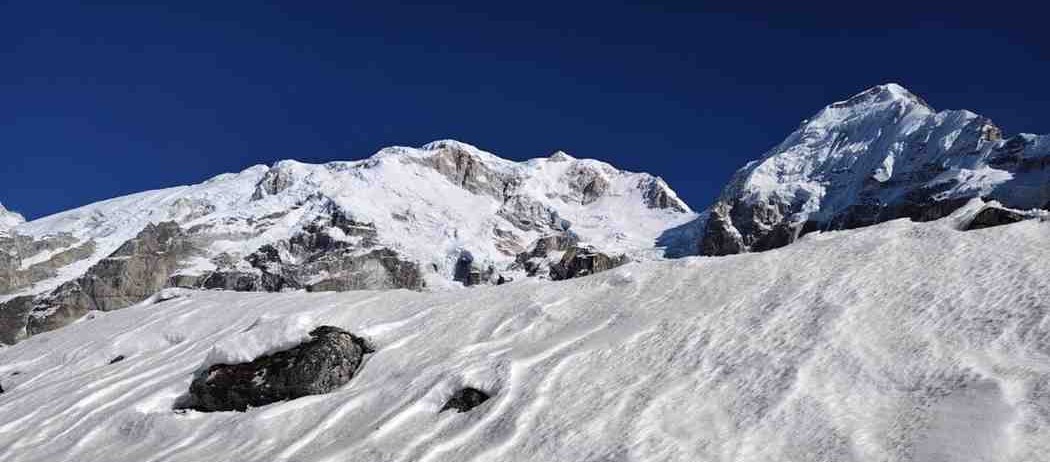
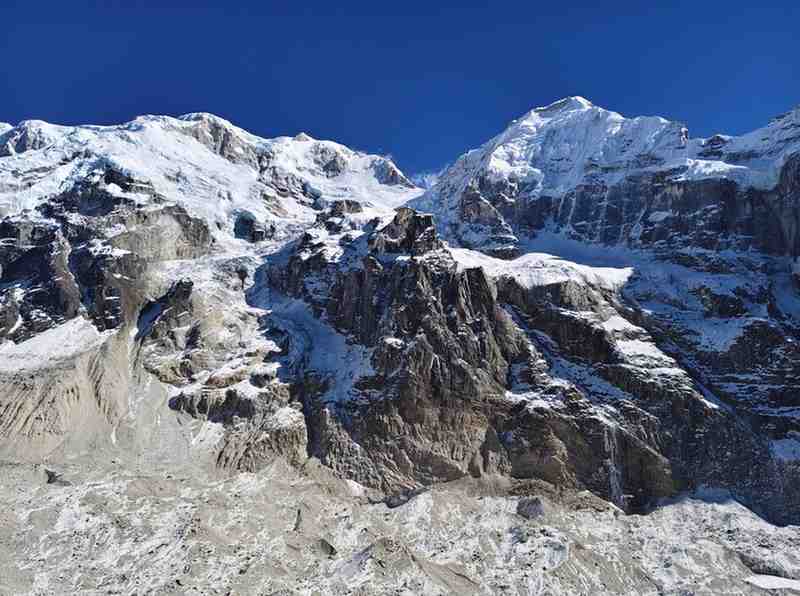
Kanchenjunga circuit trek rewards you with unparalleled mountain vistas. You will walk in the shadow of giants not only Kanchenjunga but a panorama of other famous peaks.
Majestic view of the Kanchenjunga massif towers over the remote valleys. It is a rewarding shift for trekkers on this circuit.
What to expect during Kanchenjunga Circuit Trek
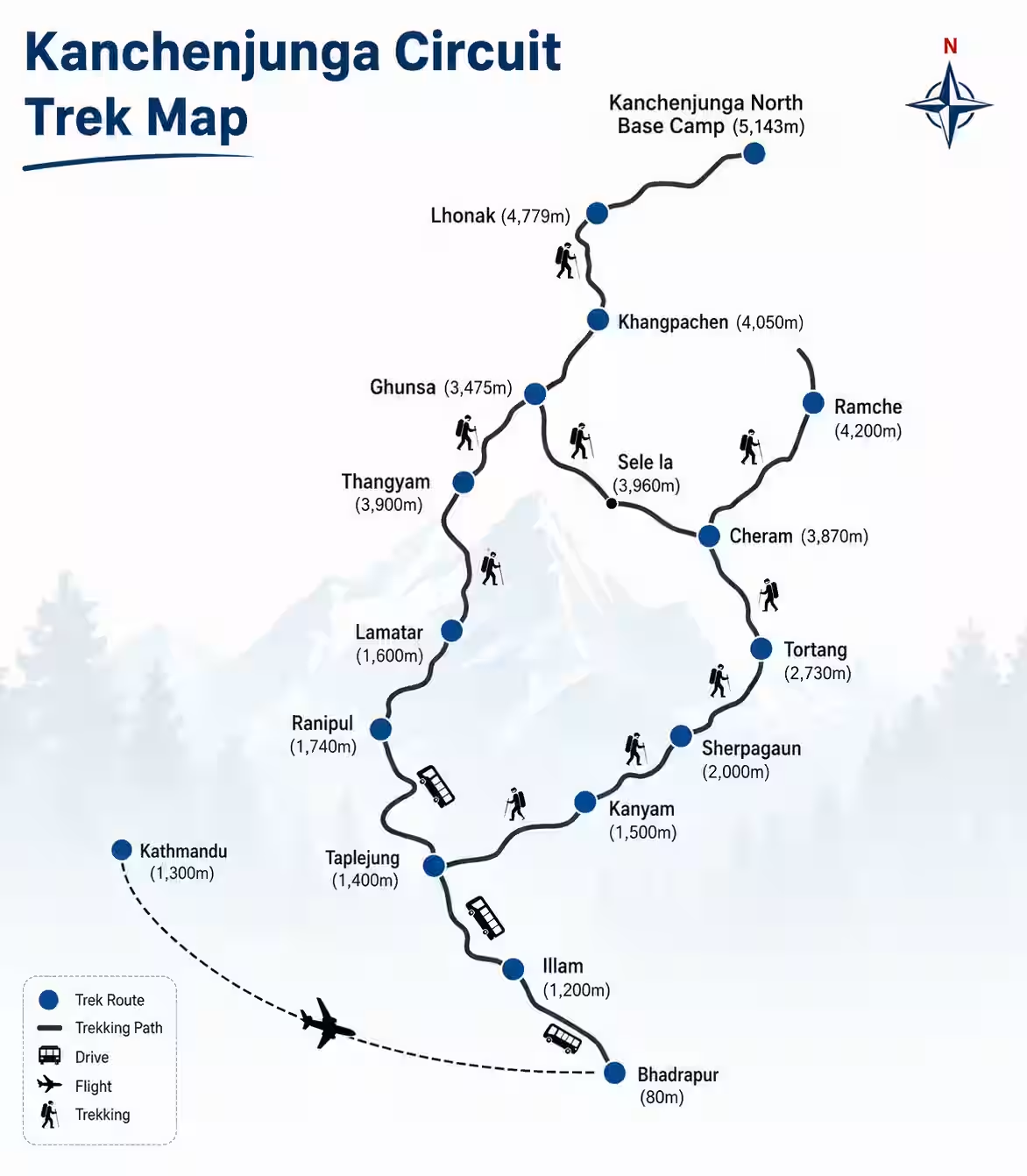
Over 19 days, the Kanchenjunga Circuit Trek leads you on an unforgettable journey around Mt. Kanchenjunga’s north and south base camps.
The route winds through the Kanchenjunga Conservation Area (KCA), a 2,035 km² protected area established in 1998. The trek begins in lush subtropical forests around 1,300 m elevation and gradually climbs into alpine terrain above 5,000 m.
This is a fully guided and teahouse-supported trek. You will have an experienced guide and porter team with you. You’ll stay in trekking lodges or homestays each night (no camping required, unless by choice).
Flora and fauna
Kanchenjunga Trek gives you a chance to witness dramatic changes in vegetation and wildlife. The lower valleys are blanketed in terraced fields and cardamom farms. The mid-hills feature dense forests of maple, chestnut, oak, and rhododendron.
As you gain altitude, forests give way to juniper and alpine shrubs, then to rocky moraine and glaciated zones near the base camps.
The KCA is a global biodiversity hotspot home to over 250 species of birds and countless flora and fauna.
If you’re lucky, you might spot elusive wildlife. You can see the red panda (endangered species), snow leopard, Himalayan black bear, or musk deer in the forests. Colorful pheasants like the Danphe (Impeyan pheasant) and other high-altitude birds are occasionally seen darting through the undergrowth.
Trekking quietly in the early morning increases your chances of wildlife encounters.
Geography and Terrain in Kanchenjunga Circuit Trek
Kanchenjunga circuit trek also rewards you with unparalleled mountain vistas. You will literally be walking in the shadow of giants not only Kanchenjunga but a panorama of other famous peaks.
On the north side of the trek, you’ll come face-to-face with peaks like:
- Jannu (Kumbhakarna, 7,710 m),
- Tent Peak (also called Pangpema Peak, ~5,670 m),
- Mount Kambachen (7,902 m), and
- Chang Himal (6,802 m).
In fact, from the Pangpema viewpoint at North Base Camp, you can even spot distant 8,000-meter summits such as Mt. Everest (8,849 m), Lhotse (8,516 m) and Makalu (8,481 m) on a clear day.
After crossing to the south side, you’ll gaze upon the colossal south face of Kanchenjunga. The neighboring peaks are Kabru and Rathong in Sikkim. The trek also takes you to glacially-carved valleys and milky blue glacial rivers. During the trek you'll see Yalung Glacier on the south side and several smaller glaciers feeding the Tamor and Ghunsa Rivers.
At the high passes, you’ll see an unending panorama of snow-capped mountains in every direction. It is a sight only a handful of trekkers get to experience.
Culture and Ethnicity
The journey is not only about mountains; it’s also a cultural odyssey.
In the lower sections around Taplejung and villages like Mitlung or Chirwa, you’ll encounter multiethnic communities (Brahmin, Chhetri, Limbu, etc.).
As you ascend, Limbu and Rai villages dot the hillsides. These ethnic groups are known for their bravery and unique customs.
Higher up near Ghunsa and beyond, the population is predominantly Sherpa and Tibetan. You’ll notice Tibetan Buddhist monasteries, prayer flags, and perhaps hear the distant sound of a yak bell.
The people here have a way of life largely untouched by modernity. They are renowned for their warm hospitality despite the harsh environment.
Teahouse lodges along the trail are often run by local families; in the evenings you can sit by the kitchen hearth, warmed by a wood stove, and learn about local legends (including tales of the Yeti, which locals claim roams these mountains!).
You can vist the centuries-old Ramtang Monastery or the Oktang Monastery in the south. It can be a spiritual highlight of the trip. The trip to monastery offers insight into the region’s Tibetan Buddhist heritage.
How Difficult is Kanchenjunga Circuit Trek?
We rate the Kanchenjunga Circuit trek as “Moderate-Difficult.” There are some major reasons this trek is considered Moderate-Difficult.
You don’t have to be a professional athlete to achieve the Kanchenjunga Circuit Trek. It doesn’t mean that the trek to Kanchenjunga is simple as walking or running in the park! A certain level of good health and training is required.
During the trek, you will reach 500 m to 700 m (in 6 to 8 hours) of elevation per day. If you have not experienced any high-altitude trek, it could be hard to reach a certain height.
The good thing about the Kanchenjunga Circuit Trek is that the height increased firmly before reaching the top. This makes easy to acclimatize and makes it relatively safer than other treks in Nepal.
The temperatures at Base Camp will reach the maximum of 15°C to a least -10°C with a wind speed of 8 to 10 mph. Weather of Kanchenjunga Circuit Trek might be one of the challenging parts after the North Base Camp.
Take extra attention and check the weather forecast, if are planning to finish the circuit. Weather-wise, this trek is likely 2nd most strenuous trek after Dhaulagiri Circuit Trek.
Acclimatizing should be top of your list when you consider the Kanchenjunga Circuit Trek. Always plan an itinerary with enough days of acclimatization between the trek.
The updated trekking route is for 17 to 20 days. Please do not be confuse if you see 26-30 days itineraries as they have not updating with the new trail changes.
Also Read: Kanchenjunga Circuit Trek Difficulty
Acclimatization and health:
We deliberately include an acclimatization day in Khambachen (Day 7) and in Ghunsa or Lhonak if needed.
Altitude sickness (AMS) can affect anyone above 3,000 m.
Symptoms to watch for include headache, nausea, dizziness, shortness of breath, and fatigue.
The golden rule is to trek high, sleep low which we follow by taking day hikes on rest days and to descend immediately if symptoms become severe. Our guides carry a first aid kit and are trained in AMS response.
We recommend you maintain good hydration (drink plenty of water, tea, soups) and avoid alcohol. If you have no prior high-altitude experience, consider doing some smaller treks. These smaller treks are like training hikes before this expedition to condition your body.
Aerobic fitness (stamina) and leg strength are most important. With the right preparation, most reasonably fit hikers can complete the Kanchenjunga Circuit.
Remember, it’s not a race; a steady, slow pace is key to success.
Plan to arrive in Nepal at least a day or two before the trek to rest. If possible allocate a buffer day or two after the trek in case of any route delays. Delays can be sometimes caused by bad weather, flights delay. Sometimes landslides can slow road travel.