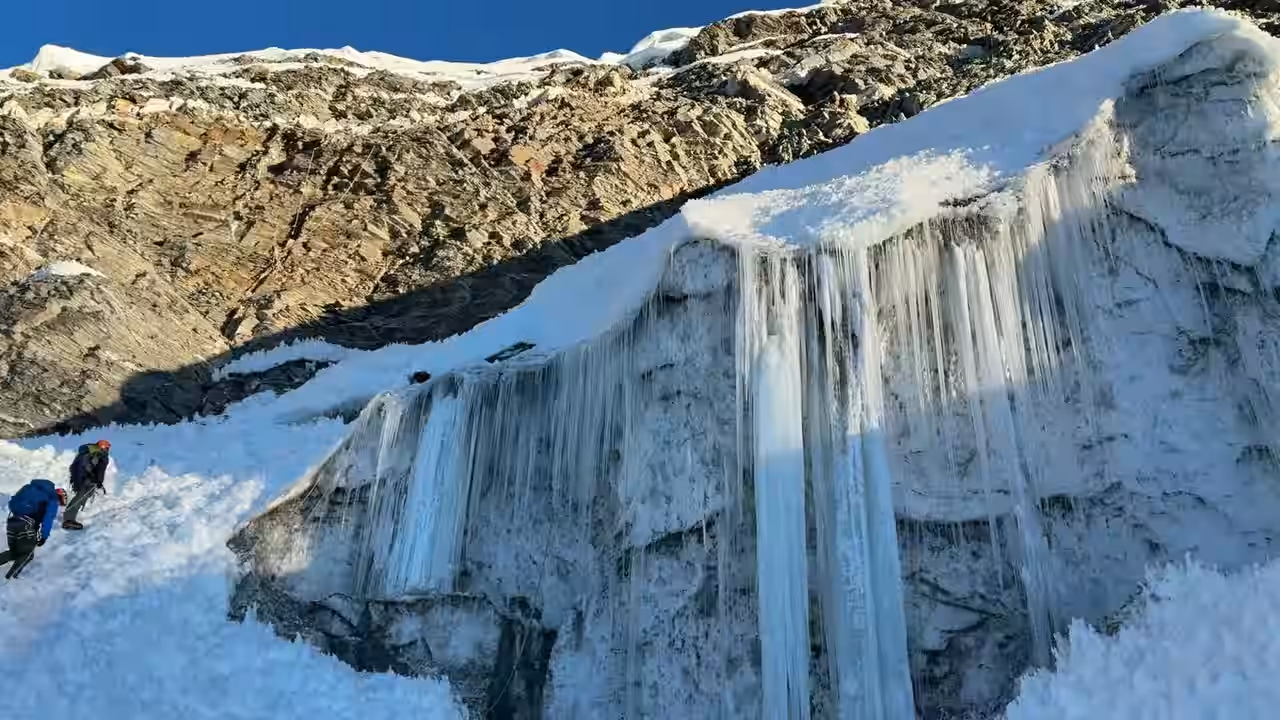
Island Peak difficulty comes from 6,165 m altitude, a long summit day, glacier terrain, and fixed-rope skills. The climb asks more from you than strong trekking fitness alone. You need steady endurance, comfort with climbing equipment, and enough focus to use rope systems when tired and cold.
The route does not fit one simple difficulty label. A strong hiker may handle the approach well but still struggle with altitude or rope work. A climber with good technique may still find the summit-day workload hard after several days at altitude. The best way to judge the climb is to separate those demands and see how they combine.
How Hard Is Island Peak Overall?
Island Peak is a demanding guided 6,000 m climb. The trekking approach builds fatigue before the summit stage begins. The summit attempt then adds altitude, cold, snow or glacier terrain, fixed ropes, and a long descent back to camp.
THO's accepted 16-day plan reaches the summit from Island Peak Base Camp. The full summit day can take about 10 to 14 hours, depending on pace and conditions. That makes endurance a major part of the challenge, even before technical sections are considered.
Your fit depends on more than how fast you walk uphill. You should judge your physical condition, high-altitude background, climbing-skill familiarity, comfort with exposure, and ability to follow guide instructions under pressure.
How Physically Demanding Is Island Peak Summit Day?
Island Peak tests endurance over several stages, not only during the final climb. The route moves through Namche Bazaar, Dingboche, Chhukung, and Base Camp before the summit attempt. You arrive at the climbing stage after repeated trekking days and several nights at high altitude.
Summit day adds the hardest single workload. You leave camp before dawn, climb to 6,165 m, and return to Base Camp on the same day. THO's accepted Island Peak itinerary allows about 10 to 14 hours for that stage, depending on pace and conditions.
You need more than short bursts of power. Long uphill movement, controlled breathing, steady footwork, and enough energy for the descent matter. A fast start can leave you drained when careful movement matters most.
What Makes Island Peak Difficult? Eight Factors at a Glance
The climb becomes clearer when you split it into separate demands. A high score in one area does not cancel a weak point in another.
Factor | Demand | What it means for you |
|---|---|---|
Physical | High | Several trekking days lead into a summit stage that the accepted THO itinerary allows about 10 to 14 hours to complete. |
Altitude | High | The summit reaches 6,165 m, where reduced oxygen slows movement and recovery. |
Technical | Moderate to high | Crampons, fixed ropes, ascender use, descent technique, and ice axe handling can be required. |
Exposure | Moderate to high | Upper snow, glacier, and ridge terrain can feel exposed. |
Objective hazards | Variable | Crevasses, snow, ice, rock, and route changes can affect the climb. |
Weather | High sensitivity | Cold, wind, snow, and visibility can change pace and summit plans. |
Remoteness | Moderate | Base Camp has fewer services than the teahouse route below. |
Rescue limits | Meaningful | Rescue depends on location, weather, communication, and available support. |
How Does 6,165 m Altitude Affect Island Peak Difficulty?
Altitude changes how hard the same physical task feels. At 6,165 m, reduced oxygen makes movement slower and recovery harder. Cold, poor sleep, appetite changes, and several days above 4,000 m can add to the strain.
Fitness helps you handle the walking and climbing workload, but it does not remove altitude-illness susceptibility. CDC high-altitude guidance states that training and physical fitness do not determine who develops altitude illness. The body still needs time to adjust as sleeping altitude rises.
THO's route uses a second night in Namche Bazaar before moving higher. It then stages through Tengboche, Dingboche and Chhukung before Base Camp. That schedule gives your body more time at altitude than a direct rush to the climbing stage, but no itinerary can promise that every person will acclimatize in the same way.
Watch how you feel as you climb higher and follow the guide's decisions. This article does not replace medical guidance for altitude illness.
What Technical Climbing Skills Do You Need for Island Peak?
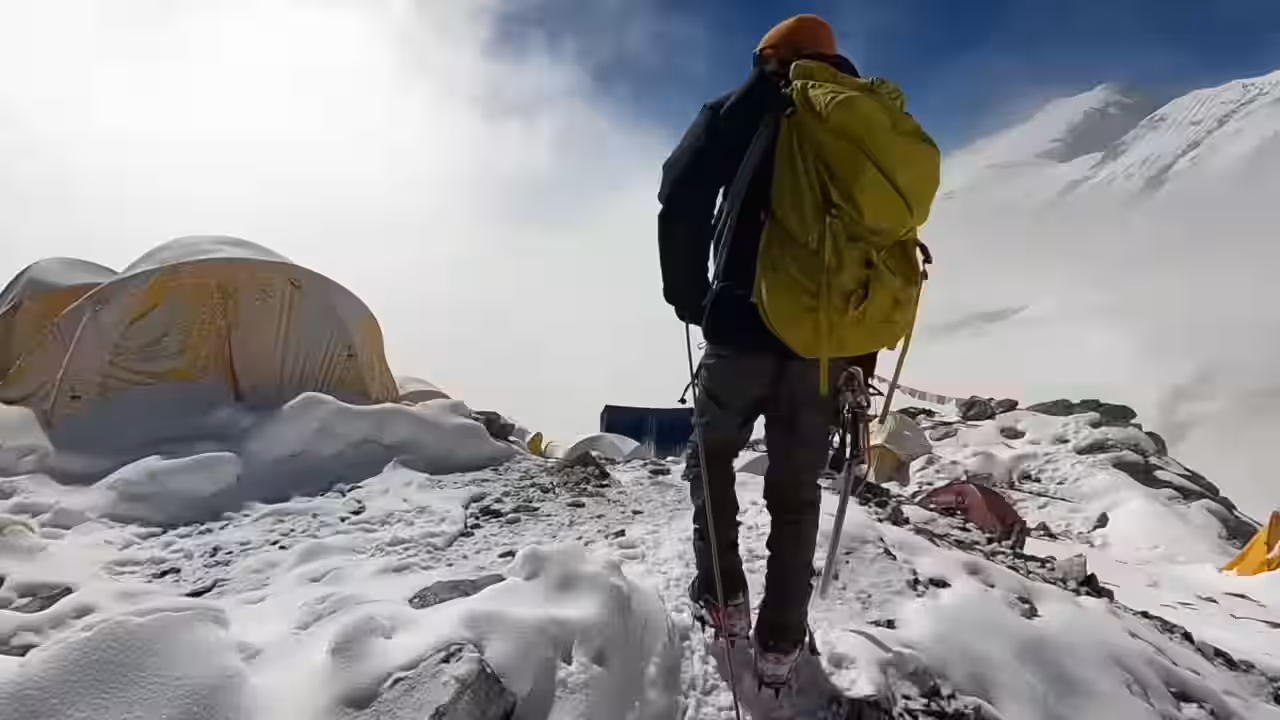
The summit stage can require crampons, fixed-rope ascent, an ascender, a descent system, an ice axe, and clear rope-team commands. Each skill is simple to describe, but using several of them while cold and tired takes practice.
THO uses a Base Camp practice day before the summit attempt. The session reviews crampon movement, fixed-rope ascent, ascender use, descent technique, ice axe handling, and team commands. That practice helps you adapt to the guide's system and equipment.
One practice day should not replace all pre-trip skill work. Familiarity before Nepal gives you more time to focus on pace, safety, and clean movement instead of learning every action for the first time at Base Camp.
Skill | Why it matters | THO Base Camp session |
|---|---|---|
Crampon movement | Stable foot placement on snow or hard surfaces | Reviewed at Base Camp |
Fixed-rope ascent | Safe movement on steeper protected sections | Reviewed at Base Camp |
Ascender use | Progress up a fixed line without wasting energy | Reviewed at Base Camp |
Descent system | Controlled movement down fixed-line sections | Reviewed at Base Camp |
Ice axe handling | Balance and movement support on snow terrain | Reviewed at Base Camp |
Team commands | Clear movement and rope coordination | Reviewed at Base Camp |
Does Island Peak Involve Glacier Travel and Crevasse Exposure?
The upper route can move from rocky ground onto snow and glacier terrain. That change affects footwork, rope use, pace, and how the team moves together. Route conditions can change between departures, so a fixed description of every crevasse or snow feature can become outdated.
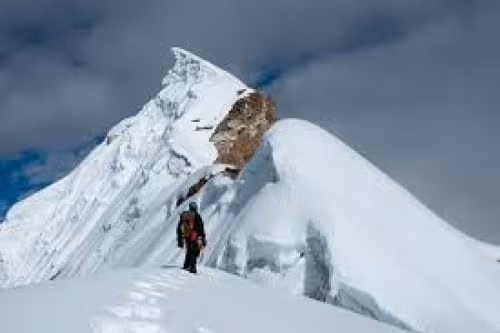
Exposure can feel different from physical effort. You may be moving slowly but still need calm foot placement on steeper snow, glacier sections, or the upper ridge. If heights make you freeze or rush, that reaction can raise the difficulty for you.
Objective hazards can include crevasses, snow, ice, loose rock, and changing route conditions. These hazards are not controlled by fitness. Your guide may change pace, rope use, timing, or the turnaround decision when conditions call for it.
How Difficult Are the Fixed-Rope Sections on Island Peak?
Fixed ropes provide a protected line on steeper sections, but you still have to use the system correctly. You need to clip correctly, manage your ascender, keep steady foot placement, and avoid creating slack or tangles.
The work becomes harder when gloves are thick, breathing is fast, and other climbers share the line. Rope traffic can slow progress and extend time spent in the cold. Your ability to stay patient and follow the climbing guide's commands matters as much as speed.
THO's accepted route material describes fixed-rope use on steeper summit sections. It does not support a permanent claim about exact rope positions, slope angles, or a fixed headwall size. Those details can change with route setting and conditions.
How Do Weather and Route Conditions Change the Climb?
Cold, wind, snowfall, and poor visibility can make the same route much harder. Fresh snow can slow movement. Hard snow or ice can demand cleaner crampon technique. Wind can increase cold stress and make exposed sections harder to manage.
Conditions affect timing too. A slower rope section, more traffic, or poor snow can use time that the guide needs for the descent. This is why the turnaround point matters. Reaching the summit is not the only goal; the team still has to return safely to camp.
A route description from one season should not be treated as permanent. Ask for current field information near your departure date, then follow the guide's route and timing decisions on the mountain.
What Do Remoteness and Rescue Limits Mean on Island Peak?
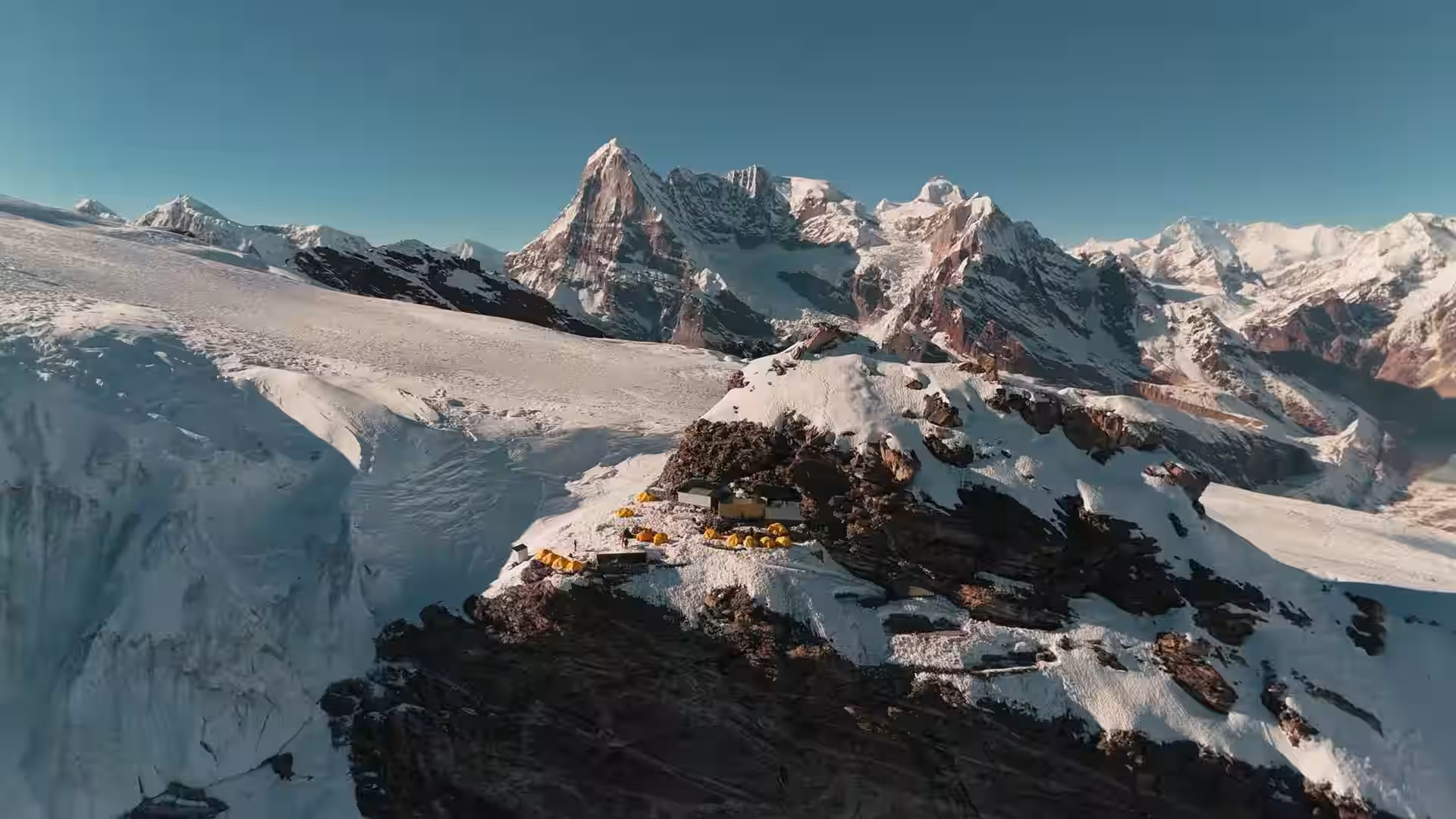
Island Peak Base Camp has fewer services than the teahouse route below. Once you leave the village trail, help can take longer to reach you. Communication, weather, location, and aircraft availability can affect any rescue response.
A helicopter should never be treated as an instant solution. Weather may stop flying, and the team may first need to move you to a place that can be reached. Ground support can take time on rough terrain.
This makes prevention and early decisions part of the difficulty. Good pacing, honest symptom reporting, equipment checks, and a guide-led turnaround can matter more than pushing for a summit at any cost.
Can You Climb Island Peak Without Previous Mountaineering Experience?
Previous high-altitude trekking and basic climbing-skill familiarity give you a stronger starting point for Island Peak. You should be comfortable with long mountain days and ready to work with crampons, fixed ropes, an ascender, a descent system, and an ice axe.
If Island Peak would be your first Himalayan summit, review your background before booking. Your training, altitude history, movement skills, and comfort with exposure all affect whether the climb matches you.
You may be a good fit if you have strong trekking endurance, have spent time at high altitude, and have practiced the basic climbing systems before the trip. You should choose more training or a different objective if rope systems are completely new, your endurance base is weak, or exposure causes you to lose control of your movement.
How Does THO's 16-Day Island Peak Route Support Acclimatization?
THO's 16-day Island Peak route builds the climb in stages. You trek from Lukla through Namche Bazaar, where the plan includes a second night for acclimatization. The route then moves through Dingboche and Chhukung before reaching Base Camp at about 5,200 m.
A practice day at Base Camp sits between the approach and the summit attempt. The guide reviews equipment, rope movement, crampons, ascender use, descent technique, ice axe handling, and team commands. That gives the group a chance to correct basic problems before summit day.
The route structure supports preparation, but it does not remove the mountain's demands. The summit still reaches 6,165 m, and the day back to Base Camp remains long. Use the itinerary as a preparation framework, not as a promise of a summit.
Route stage | Altitude | Why it matters |
|---|---|---|
Namche Bazaar | 3,440 m | Second night for acclimatization |
Dingboche | About 4,410 m | Higher-route staging |
Chhukung | About 4,730 m | Final village stage before Base Camp |
Island Peak Base Camp | About 5,200 m | Tented camp and climbing practice |
Island Peak summit | 6,165 m | Summit objective, then return to Base Camp |
What Should You Practice Before Climbing Island Peak?
Build enough endurance to walk uphill for several hours on repeated days. Add long training days that finish with controlled downhill movement, because summit day does not end when the climbing stops.
Practice putting on crampons and walking in them before the trip. Learn how an ascender moves on a fixed rope and how a descent device works. Spend time handling gloves, carabiners, and straps so basic actions feel familiar.
If possible, practice these skills with a qualified climbing instructor. Pre-trip familiarity gives your Base Camp session a better purpose: review and adjustment rather than a rushed first lesson.
Island Peak Difficulty FAQs
Do I need previous climbing experience for Island Peak?
Previous high-altitude trekking and basic climbing-skill familiarity give you a stronger starting point. If Island Peak would be your first climb, review your training, altitude history, and rope-skill familiarity before booking.
How long is Island Peak summit day?
THO's accepted Island Peak itinerary allows about 10 to 14 hours from Base Camp and back. Pace, snow, rope traffic, weather, and the turnaround point can change the day.
Is Island Peak harder than Everest Base Camp?
They are different objectives. Everest Base Camp is a high-altitude trek. Island Peak adds a 6,165 m summit, climbing equipment, fixed-rope movement, glacier terrain, and a longer technical summit stage.
Is Island Peak the Right First Himalayan Climb for You?
Your fit depends on whether you want more than a high-altitude trek and are willing to train for both endurance and climbing skills. The climb asks you to manage altitude, fatigue, cold, rope systems, exposure, and changing conditions in one summit day.
If that matches your background and goals, review 16-day Island Peak climbing package for the route, services, price, and booking details. If several of the required skills are new, spend more time preparing before you decide on a departure.