The Everest Base Camp Trek Overview
The Everest Base Camp Trek (5,364 m) helps to witness the mighty Everest on a background like nature in heaven. Be ready for the jaw-dropping scenery and unique cultural experience. Exploring challenging routes around the Everest Base Camp Trekking in the Himalayas.
Upon reaching Lukla, the air felt fresher, and the aroma of the city was restored with rich vegetation. You will be welcomed with the colourful prayer flags flapping against the wind. Explore the friendly local villagers, Buddhist monasteries, Sherpa culture, endangered flora, and fauna.
Why Everest Base Camp Trek?
Most trekking lovers to the Himalayas would love to stand on top of the world but are not able to achieve this. But if you have good determination and a love for nature you will surely make it to the Everest Base Camp trek. EBC Hike had become the goal for thousands of tourists all over the world. There is a sense of grandeur that comes with trekking through the foot of the Nepal Himalayas.
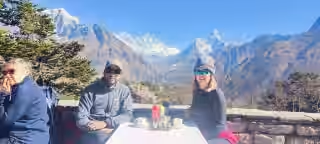
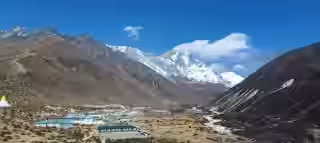
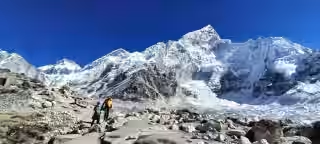
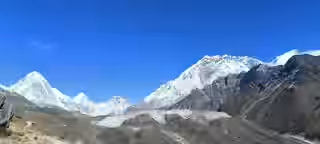
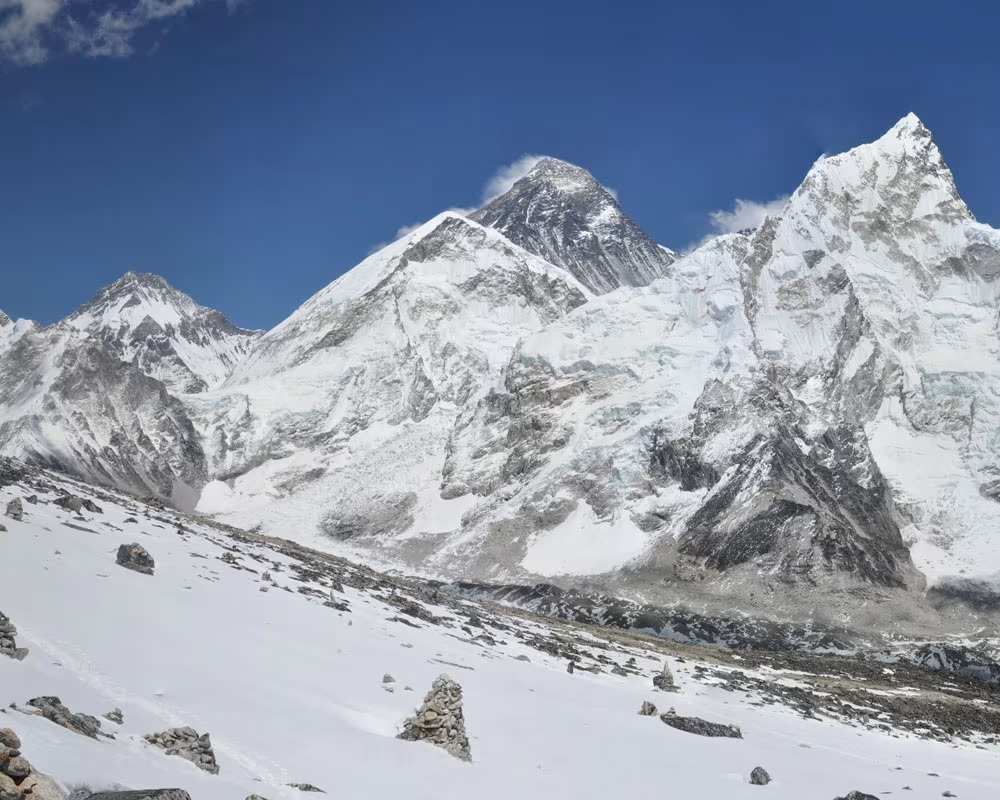
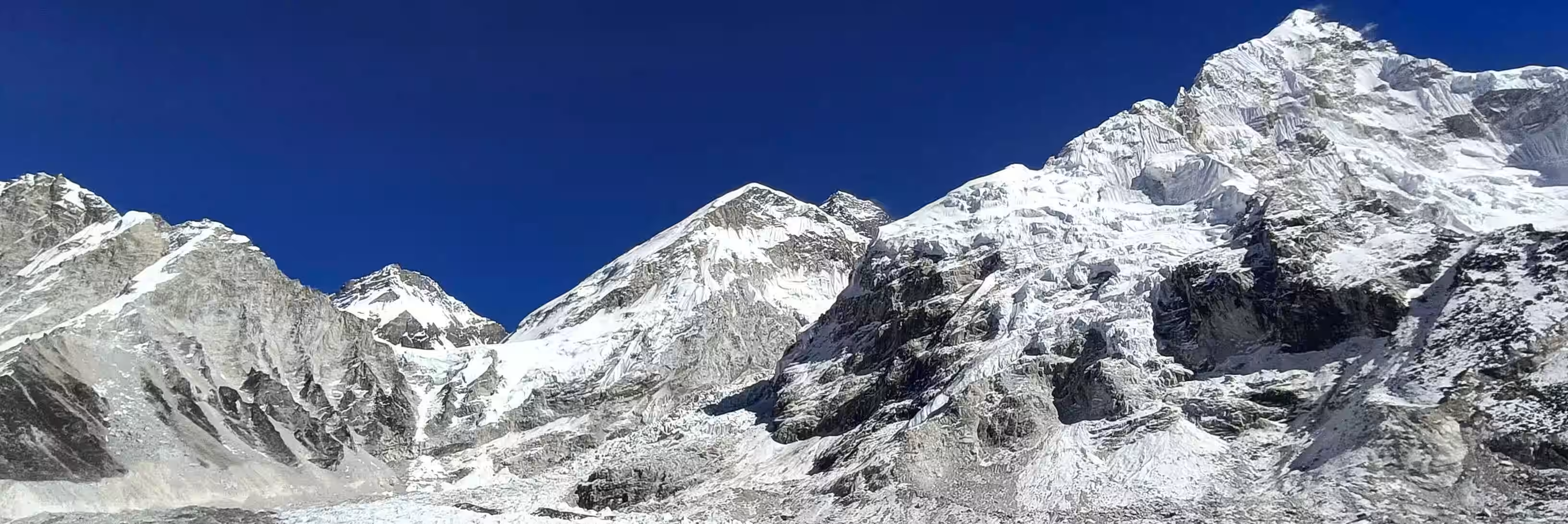
The iconic Everest base camp trek leads us through Khumbu Valley, which helps us to behold the endless beauty of Sagarmatha National Park surroundings. You will also be delighted to see the breathtaking vistas of the 4 highest peaks in the world Mt. Everest (8.848.86 m), Mt. Lhotse (8,516 m), Mt. Makalu (8,470 m), and Cho Oyu (8,201 m), Ama Dablam (6,812 m), Thamserku (6,608 m), Lobuche (4,940 m) and many more.
You will literally fall in love with this striking art of nature. As you enter Sagarmatha National Park you can hear the echo of air struck into the Himalayas and the sounds of birds and animals. Especially, you may witness Danfe (Himalayan monal), pheasants, musk deer, mountain goats, and even snow leopards.
Everest base camp trek retraces the footsteps of Sir Edmund Hillary, Tenzing Norgay, and other pioneers of Everest as we trek from Lukla to Base Camp. You will also experience some of the highest villages in the world as you explore the local culture and traditions of the native Sherpas and learn the spiritual connection with the Himalayas. There will be a lifetime memory of witnessing the sun setting over Everest from the Kalapatthar.
It will be a magical moment with tears with happiness as you feel the sense of achievement that will encourage your entire life. There will be no words to describe the Everest Base Camp trek as you gain bliss while discovering yourself around holy mountains.
As you walk along with the trial you will hear the humming sound that was emanating from a monastery. As you reach closer you will feel the powerful and deep sound that shook to the core. You will be amazed to hear the peaceful sounds from the monastery. The Everest base camp trek route explores the exotic local villages, history, and traditions of the Sherpa people.
Also Read: A Complete Travel Guide To Trek Everest Base Camp
Mani Rimdu Festival Trek
Everest Base Camp Trek in Himalayas gives you an experience of rural Nepal. Witness the gigantic Sagarmatha on a background like nature in heaven. The best time to do Everest Base Camp Trek for 14 days is spring ( March to May) and Autumn ( September to November).
We have departure dates to join this Everest base camp trek in the Spring and Autumn. You can join any dates that suit best to you. If you desire to have a personal trek and customize the Itinerary, we are flexible to customize it.
For those who have more time and want to explore more Everest Region. You can choose any trip from Everest Region Trekking like Everest Base Camp Heli Trek, Everest View Trek, and Everest Three High Passes Trek. Everest Base Camp via Jiri, Short Everest Base Camp Trek, and Everest Base Camp Trek via Gokyo Lake. For more Everest Trekking Packages you can explore more exclusive The Himalayan Odyssey tour packages.
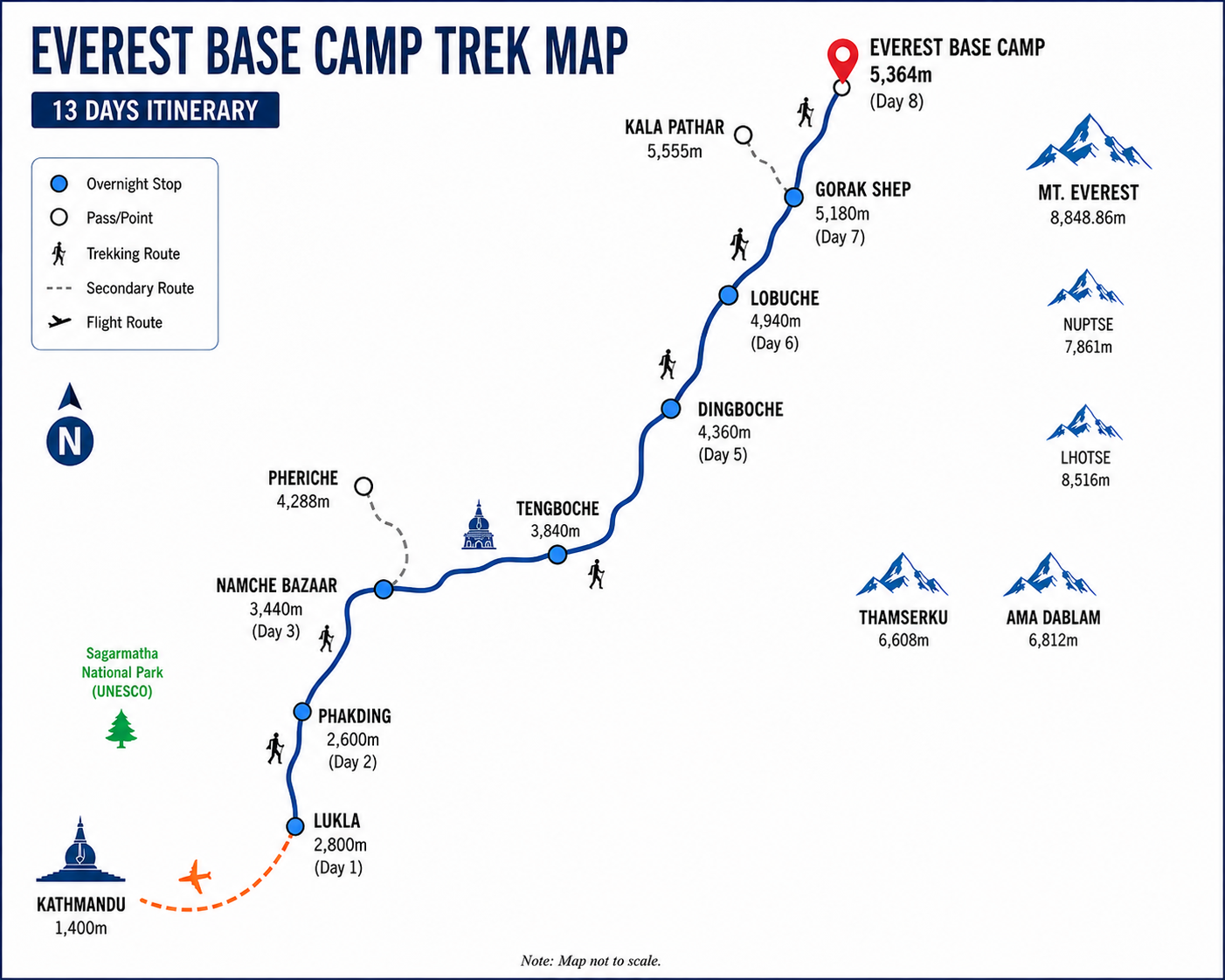
13 Days Everest Base Camp trek
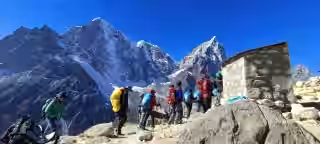
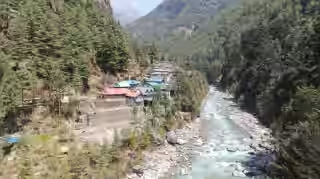
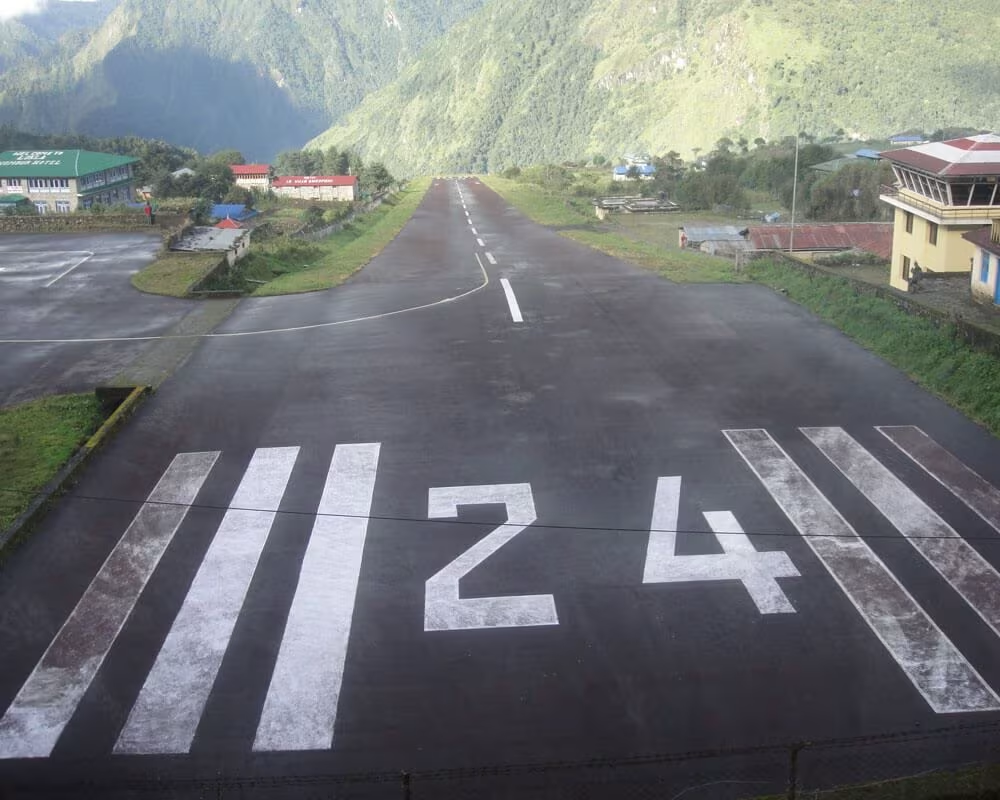
Everest Trekking map starts with the exhilarating 40-minute flight from Kathmandu to Lukla. Our trekking starts as you will see some striking areas between Lukla and Phakding. It includes Chaurikharka, Chheplung, Nachipang, Koshigaun, and Ghat Dudh Koshi River. Along the way, we will cross many suspension bridges which makes your trip exciting.
Have a glance at the beautiful monsters, Sagarmatha National Park, and beautiful villages. On the way to Namche Bazar (3,440 m), you will see the stone-carved. The reason behind putting them there is for good luck and well wishes for travellers and locals. They are Mane and Chortens in Sherpa Language.
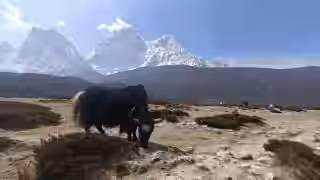
If you find these types of stone carving, walk clockwise direction for good charm. After crossing the Hillary suspension bridge and trekking steep uphill to the dense forest, you will reach Namche Bazar. You can find the Sherpa Museum, Syangboche airport, yak farm, and Hillary school.
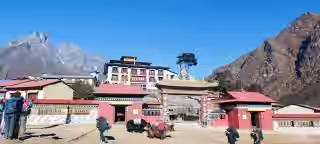
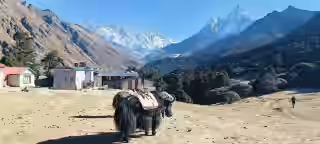
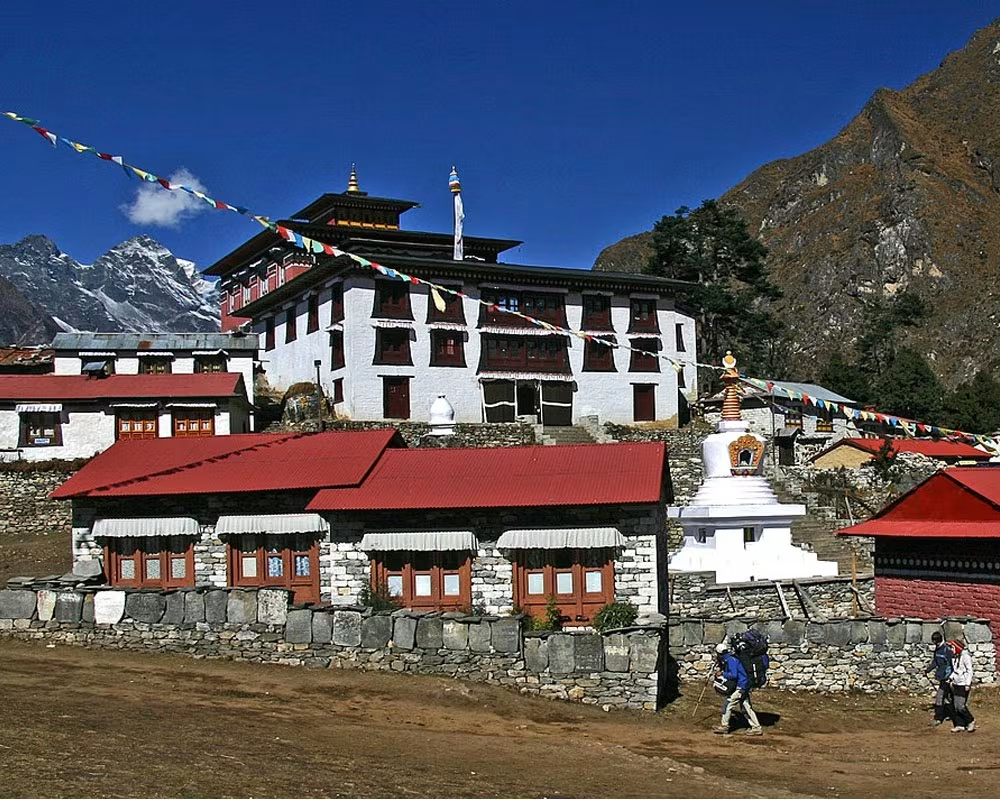
As you walk further, you will reach Tengboche (3,867 m). This place is the famous Tengboche Monastery. This monastery is popular for its quiet and calm environment. As you follow the Everest Base Camp route to Dingboche, you will fall in love with the panoramic view of the dazzling white peak. We will trek along with the beautiful village of Dingboche (4,260 m) and then to Lobuche (4,930 m).
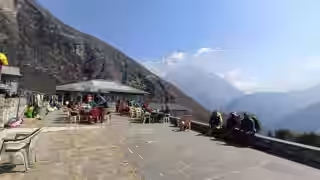
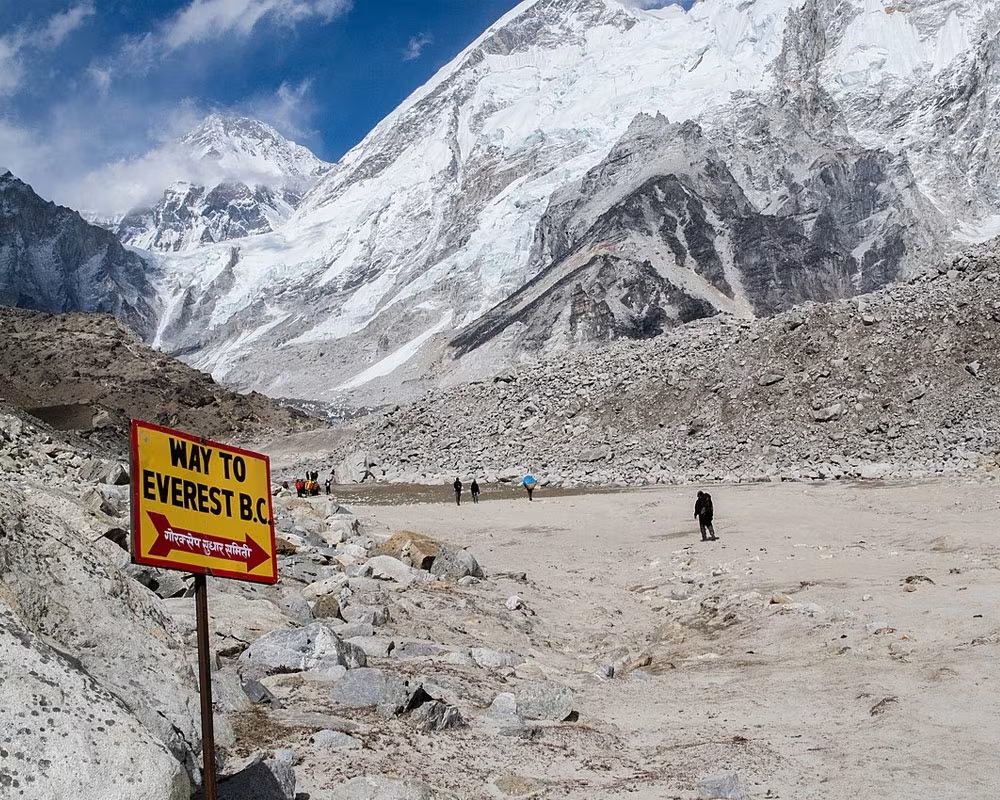
After a chilling night at Lobuche, we will be at the final lodge of the Khumbu Region called Gorakshep. Gorak Shep is the final stop and end of lodges and restaurants. We will decent leaving our footprint on Everest Base Camp and Kalapatthar. It is a famous viewpoint for the amazing sunrise, sunset, and close view of entire snow-capped peaks.
After the memorable trip to Everest Base Camp, we will return through the same route to Lukla. We will then take a courageous flight back to Kathmandu.
How hard is the Everest Base Camp trek?
The Everest Base Camp trek has a moderate difficulty level. It is common for the trek to take two weeks. Despite the fact that no prior trekking experience is required for this hike. The trekker should be determined and physically fit, according to experts.
Over the years, people of various ages, shapes, and sizes have finished the walk. With a little bit of preparation and dedication, almost anyone can tackle the trek and cross it off their bucket list
Why 98% of Our Trekkers Reach Base Camp (When the Industry Average is 75%) ?
Most will tell you the same story: 'Amazing views. Professional guides. Lifetime experience.' Here's what actually makes the difference between reaching Base Camp and turning back:
1. Smart Acclimatisation: We Add Two Days Most Skip
We built two dedicated rest days into the itinerary at Namche Bazaar (Day 4) and at Dingboche (Day 7). Your body needs time to make more red blood cells. We don't rush it. Each rest day includes a short hike to a higher point, then a return to sleep lower. This 'climb high, sleep low' method is why our success rate is so high.
2. Small Groups: Maximum 8 People Per Guide
We cap every group at 8 trekkers per guide. Not 15. Not 20. When the group is small, your guide notices if you're struggling before you do. You ask more questions. You get more attention. You feel safer. This single decision changes the whole trek.
3. Real Altitude Safety Equipment
Every guide carries a pulse oximeter (checks oxygen levels daily), a satellite phone (works everywhere, even above Tengboche), and holds a first aid certification. If you show altitude sickness signs, we act immediately, we don't wait and we don't gamble.
4. 24/7 Support From Our Kathmandu Office
You get a 24/7 emergency contact number from Day 1. Our Kathmandu office monitors every active trek. If bad weather hits or flights to Lukla are delayed, we have backup plans ready and we keep you informed throughout.
5. Transparent, Honest Pricing
No hidden costs. No surprise fees. No rushed itineraries to cut costs. What you see is what you pay. Our guides earn 40% above the industry average. Our porters carry no more than 25kg (industry standard is 30-33kg). We charge a fair price because we run a safe, ethical operation.
Trekking as a couple: About 20% of our trekkers are couples or honeymooners. Private departures let you move at your own pace with a dedicated guide. Many couples call the Kala Patthar sunrise the most memorable moment of their relationship. See our private trek options below.
Corporate and team treks: Organising a group for team building? We run custom corporate treks for groups of 8–20. We handle all logistics, permits, safety briefings, and reporting. Contact us for a custom itinerary and group rate.