
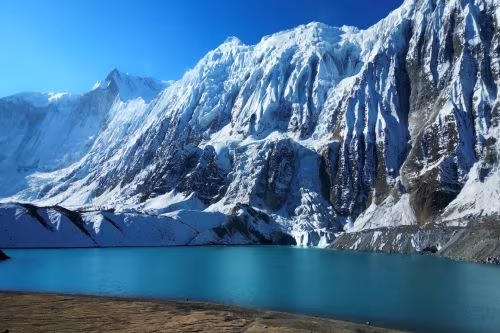
The Annapurna Circuit trek and the Annapurna Base Camp trek are the most loved mountain journeys. This Annapurna trek guide brings you the latest information for 2026.
You'll find details about routes, costs, permits, and what makes Annapurna special for trekkers.
The Annapurna region offers two main paths.
The Annapurna Circuit takes you around the entire Annapurna range.
The Annapurna Base Camp route takes you straight to the foot of Annapurna I.
Both trails reward you with stunning views and rich cultural experiences.
Whether you're planning your first Himalayan trek or adding another peak to your list, 2026 is a great time to visit.
Overview of the Annapurna Region
The Annapurna range sits in north-central Nepal. It forms part of the Himalayas. Eight peaks here rise above 7,000 meters. Annapurna I reaches 8,091 meters as the tenth-highest mountain on Earth.
Geography & Landscapes
Annapurna region packs an incredible variety into a small area. You'll walk through subtropical forests near Pokhara. The trail climbs through temperate zones with rhododendron blooms. Higher up, alpine meadows give way to desert landscapes.
The Marsyangdi and Kali Gandaki rivers carve deep valleys here. These gorges create some of the world's steepest terrain. The Kali Gandaki valley holds the record as Earth's deepest gorge.
Thorong La Pass stands at 5,416 meters on the Circuit route. It marks the high point of your journey. The views from here span dozens of peaks across three ranges.
Annapurna Base Camp sits at 4,130 meters in a natural amphitheater. Glaciers hang from the surrounding walls. Annapurna I, Hiunchuli, and Machapuchare circle this spot.
People & Culture
Gurung and Thakali communities call this region home. Their villages line the trekking routes. Each ethnic group brings distinct traditions and hospitality.
The Gurung people have deep military traditions. Many serve in British and Indian Gurkha regiments. Their villages feature stone houses with slate roofs. Prayer flags flutter from every rooftop.
Thakali culture centers around the Kali Gandaki valley. These skilled traders once controlled the salt routes to Tibet. They run many of the best lodges on the circuit. Their food blends Nepali and Tibetan flavors.
Buddhism and Hinduism mix freely here. You'll pass Buddhist monasteries and Hindu temples. Prayer wheels line the paths. Chortens mark important spots. This spiritual atmosphere adds depth to your journey.
Annapurna Circuit Trek Route Explained
The Circuit forms a loop around the Annapurna range. Most trekkers walk counter-clockwise. This direction gives better acclimatization for Thorong La Pass.
The traditional route starts in Besisahar or Bulbule. These towns sit at about 800 meters elevation. Your first days follow the Marsyangdi River valley. The trail passes through rice terraces and banana groves.
Chame appears after three or four days. This district headquarters sits at 2,670 meters. You're now entering the main mountain zone. Pine forests replace subtropical vegetation.
Dhukur Pokhari and Manang are key stops. Manang sits at 3,540 meters. Smart trekkers spend two nights here. The extra day helps your body adjust to altitude.
From Manang, you climb toward Thorong Phedi or High Camp. These are your last stops before the pass. Most groups start early for the crossing. You'll hike in darkness to reach Thorong La by mid-morning.
The descent leads to Muktinath. This holy site draws Hindu and Buddhist pilgrims. Your hardest climbing is done. The trail now follows the Kali Gandaki valley south.
Jomsom and Marpha offer comfortable rest days. From here, you can walk to Tatopani or catch a jeep. The lower section passes through the world's deepest gorge.
Many trekkers end at Tatopani or Beni. Some continue to Ghorepani and Poon Hill. This adds three days but rewards you with sunrise views.
The full Circuit takes 12 to 18 days. Road access now lets you shorten this. You can drive to Manang or from Jomsom. This flexibility helps those with limited time.
Annapurna Base Camp (ABC) Trek Route Overview
This route offers a shorter option. The trek typically takes 7 to 12 days round-trip. It starts and ends in Pokhara or nearby Nayapul.
The trail heads north through the Modi Khola valley. Your first night usually happens in Ghandruk or Chhomrong. These large Gurung villages offer good facilities.
Chhomrong sits at 2,170 meters. It's the last major village. From here, the valley narrows. The path enters bamboo forests and then climbs through rhododendron zones.
Bamboo, Dovan, and Deurali mark your progress. Each stop brings a higher elevation. The mountain views remain hidden by valley walls.
Machapuchare Base Camp comes before ABC. At 3,700 meters, it offers the first big mountain views. Machapuchare's fish-tail peak towers overhead.
Base Camp sits two hours higher. The walk follows a gentle valley. Suddenly, you're surrounded by giant peaks. Annapurna I dominates the south wall. The setting feels enclosed and protected.
Most groups spend one night at Base Camp. Sunrise lights up the surrounding peaks. The morning show makes the whole trek worthwhile.
The return follows the same path. You can add side trips to Poon Hill or hot springs near Jhinu Danda. These extras extend your adventure by a day or two.
This route suits first-time Himalayan trekkers. The paths are well-marked. Lodges appear every few hours. The highest point remains under 4,200 meters. Altitude sickness is less common here than on the Circuit.
Best Time to Trek Annapurna in 2026
Two seasons offer ideal conditions. Spring and autumn bring stable weather and clear views. But each season has its character.
Spring
March to May brings warming temperatures. Rhododendrons bloom across hillsides in March and April. The colors are stunning. Visibility stays good through early May.
Temperatures at high altitude remain cold but manageable. Snow on Thorong La usually melts by mid-March. Base Camp stays accessible all spring.
Trail traffic picks up in April. Easter holidays bring European trekkers. May sees fewer people but warmer days at low elevations.
Autumn
September to November is the most popular season. Post-monsoon skies offer crystal-clear views. October is the peak month. Every lodge fills up.
Temperatures are perfect for trekking. Days are warm but not hot. Nights get cold at high camps. Snow rarely blocks the passes before late November.
The Dashain and Tihar festivals happen in October. Some lodges close for celebrations. Book ahead during this period.
Winter
December to February appeals to experienced trekkers. Thorong La becomes serious in deep snow. Professional guides and proper gear are necessary.
Base Camp remains accessible most winters. The lower sections offer comfortable trekking. You'll have trails mostly to yourself.
Summer (monsoon)
June to August brings rain to lower elevations. The northern sections receive less moisture. Some trekkers walk the Circuit during the monsoon. Leeches and clouds are the main challenges.
Spring should be slightly drier than average. Autumn may bring early snow to high passes by late November.
Annapurna Trek Permits & Regulations
You need specific permits for these treks. The requirements are straightforward. Getting them is easy. We handle all your permit issuance and related documents required.
ACAP (Annapurna Conservation Area Permit) costs NPR 3,000 for foreign nationals. Indians and SAARC citizens pay NPR 1,000. This permit helps fund conservation work.
You can obtain ACAP in Kathmandu or Pokhara. The Nepal Tourism Board office and trekking agencies can arrange it. You'll need two passport photos and your passport copy.
TIMS Card (Trekkers' Information Management System) costs NPR 2,000 for independent trekkers. Group trekkers pay NPR 1,000. This system helps track trekker safety.
Get your TIMS in Kathmandu or Pokhara. The same offices that issue ACAP handle TIMS cards.
Guide requirements have changed. Solo trekking is officially discouraged but not banned. Most lodges still accept independent trekkers. However, having a guide or porter improves safety and supports local employment.
Check points appear at several locations. Officials will stamp your permits. Keep these documents safe throughout your trek.
Insurance coverage should include helicopter rescue. The highest medical facility is in Manang. Serious problems require evacuation to Kathmandu or Pokhara.
Accommodation, Food & Facilities
Tea houses provide shelter along both routes. These family-run lodges offer simple comfort. You'll sleep in small rooms with basic beds. Blankets are provided. Bring a sleeping bag for warmth at high altitude.
Room costs are affordable. Higher lodges charge more. Some places offer free rooms if you eat all meals there. This is becoming less common.
Shared bathrooms are standard. Western toilets are available in most places. Hot showers cost extra. Solar showers work when the sun shines. Gas-heated showers cost extra.
WiFi reaches surprisingly high. Most lodges offer it for a fee. Connection speeds are slow but adequate for messaging. Don't expect video streaming.
Charging stations are available everywhere. Bring the right adapters. Some lodges charge per hour. Solar and hydro power keep the lights on.
Food menus are similar across the region. Dal bhat (rice and lentils) is the standard meal. It comes with vegetables and pickle. Most places offer unlimited refills.
Western options include pasta, pizza, and pancakes. Quality varies by location. Stick to simpler dishes at high altitude. Your stomach will thank you.
Meal price increases with altitude.
Drink boiled or filtered water. Buying bottled water creates plastic waste. Bring purification tablets or a filter. Many lodges offer safe drinking water for a small fee.
Tea and coffee are available everywhere. These warm beverages become precious at high altitude.
Trek Difficulty & Fitness Level for Annapurna Trekking
Both treks are rated moderate to challenging. You don't need technical climbing skills. But good fitness is important.
Trekking around the Annapurna Circuit covers more distance. Daily walks range from 5 to 8 hours. The Thorong La Pass day demands 8 to 10 hours. This combines early start, high altitude, and steep climbing.
Base Camp involves less total distance. But the final two days climb steeply. The thin air makes every step harder.
Altitude affects everyone differently. Slow and steady wins this race. Listen to your body. Don't push through headaches or nausea. If you have the slightest of these symptoms, inform your guide. Your health is our first priority.
Fitness preparation should start three months before your trek. Walk regularly with a loaded backpack. Build up to 5-hour hikes. Include hills or stairs in your training.
Cardio fitness matters most. Swimming, cycling, and running all help. Leg strength prevents knee problems on descents. Squats and lunges build the right muscles.
Altitude sickness is the main risk. Symptoms include headache, nausea, and dizziness. The key is proper acclimatization. Don't climb too fast. Build rest days into your schedule.
Manang offers a perfect acclimatization day. Take a short hike to 4,000 meters. Return to sleep at 3,540 meters. This helps your body adjust.
Beginners can complete these treks. Start with the Annapurna Base Camp trek if you're unsure. The Annapurna Circuit demands more experience. Consider hiring a guide for your safety and peace of mind on the Himalayan journey.
Age is less important than fitness. People from their teens to their seventies walk these trails. Know your limits. Be honest about your abilities.
Packing List & Trek Preparation for Annapurna Trek
Smart packing makes the journey comfortable. Don't overpack. You'll carry or pay someone to carry your bag.
Essential Clothing & Gear
Base layers: Pack thermal underwear for cold mornings. Merino wool works well. Bring at least two sets.
Mid layers: Fleece jacket or synthetic insulation. This traps warmth without bulk.
Outer layers: A Waterproof, windproof jacket is mandatory. Rain pants protect against storms. Down jacket for evenings at high altitude.
Trekking pants: Quick-dry material works best. Two pairs are enough. Consider zip-off legs for flexibility.
Footwear: Broken-in hiking boots are essential. Bring camp shoes or sandals for evenings. Warm socks (4-5 pairs) prevent blisters.
Accessories: Warm hat, sun hat, gloves, sunglasses, and neck gaiter. The sun is intense at altitude.
Sleeping gear: Three-season sleeping bag rated to -10°C. Lodges provide blankets, but they may not be enough.
Trekking poles: Reduce knee strain on descents. Helpful for river crossings and snow.
Backpack: 40-50 liters if you carry everything. Smaller if you hire a porter.
Trekking Permits & Insurance Documents
Keep these in a waterproof pouch:
- Passport and copies
- Visa (get this on arrival in Kathmandu)
- ACAP permit
- TIMS card
- Insurance policy details
- Emergency contact numbers
- Cash in Nepali rupees
Safety, Health & Altitude Awareness
Mountain trekking carries risks. Preparation and awareness keep you safe.
Altitude sickness prevention:
- Climb slowly (no more than 500m daily gain above 3,000m)
- Sleep at lower elevations than your high point.
- Stay hydrated
- Avoid alcohol at high altitude.
- Recognize early symptoms
- Descend if symptoms worsen.
Health stations operate in Manang and other large villages. Staff can check oxygen levels and assess altitude sickness. Use these services if you feel unwell. Our guides carry a pulse oximeter along with them. In case of any symptoms of Altitude sickness, let them know.
Rescue insurance is mandatory. Your policy must cover helicopter evacuation. Medical evacuation from high camps costs $5,000-10,000. Insurance prevents financial disaster.
Satellite communication has improved. Most lodges can contact rescue services. Some guides carry satellite phones. Consider renting one for remote sections.
Weather hazards include sudden storms, snow, and extreme cold. Check forecasts before crossing passes. Don't push for Thorong La in bad weather. We seek safety first. Wait a day if needed.
Trail hazards include landslides, river crossings, and loose rocks. Watch your footing. Don't rush. Use trekking poles for stability.
Solo trekking is riskier. If you trek alone, register with lodges. Tell people your plans. Carry emergency supplies. A guide significantly improves safety.
Travel insurance should cover:
- Medical treatment
- Emergency evacuation
- Trip cancellation
- Lost baggage
- Theft
Read policy details carefully. Some insurers exclude trekking above certain altitudes.
Responsible Trekking & Sustainability
Your visit affects local communities and nature. Responsible choices make a positive impact.
Waste management is improving but remains challenging. Carry out what you carry in. Don't leave trash anywhere. Use lodge disposal systems properly.
Plastic bottles create serious problems. Use refillable bottles. Many lodges offer filtered water. This small choice makes a big difference.
Energy conservation helps. Solar and hydro power are common. Turn off the lights. Limit hot shower time. Use electricity wisely.
Cultural respect matters. Dress modestly in villages. Ask before photographing people. Don't touch religious objects. Remove shoes before entering homes and temples.
Support local business. Buy from village shops. Hire local guides and porters. Choose locally owned lodges. Your money should benefit communities.
Environmental care protects the mountains. Stay on marked trails. Don't pick plants. Keep noise levels down. Respect wildlife.
Community tourism is growing. Some villages offer homestays. Cultural programs share traditional life. These experiences enrich your journey while supporting families.
Conservation area rules protect wildlife and forests. Don't cut wood. Use designated camping spots. Follow fire regulations.
The Annapurna Conservation Area Project works to balance tourism and nature. Your permit fees fund this work. Additional donations are welcome.
FAQs about the Annapurna Circuit & Base Camp Trek 2026
Which is harder: ABC or the Annapurna Circuit trek?
The Annapurna Circuit trek is more challenging. It covers more distance and reaches a higher elevation. Thorong La Pass demands a long, high-altitude day. Base Camp is shorter with a lower maximum altitude. First-time trekkers often find the Annapurna Base Camp trek more manageable.
Is solo trekking allowed in Annapurna 2026?
Solo trekking is not officially banned. Many people trek independently. However, new regulations encourage hiring guides. Lodges still accept solo trekkers. A guide improves safety and provides cultural insights.
Can I do both the Annapurna Circuit Trek and ABC in one trip?
Yes, some trekkers combine them. This takes 20-25 days. You can do Circuit first, then visit Base Camp. Or reverse the order. This extended trek requires good fitness and time.
Do I need previous trekking experience for the Annapurna Circuit Trek?
Trekking to Annapurna Base Camp doesn't require previous experience. Good fitness is more important. The Annapurna Circuit benefits from some trekking background. Neither requires technical climbing skills.
What's the success rate for completing ABC and Annapurna Circuit treks?
Most prepared trekkers complete Base Camp successfully. The Circuit has a slightly lower completion rate. The Thorong La Pass stops some people due to altitude or weather. Proper acclimatization increases success chances.
How much should I tip guides and porters?
Tipping is expected and important. Guidelines suggest $50-80 per trekker for guides at trip ends. Porters receive $30-50. Adjust based on service quality and trip length.
Can I rent gear in Nepal?
Pokhara and Kathmandu have rental shops. Quality varies. Sleeping bags, down jackets, and boots are available. Rent from reputable shops. Check gear condition carefully before committing.
Is mobile phone coverage available?
Coverage reaches most villages. Ncell and Nepal Telecom work best. The signal weakens at high altitude. Data speeds are slow. Buy a local SIM card in Kathmandu or Pokhara.
Are there ATMs on the trail?
ATMs exist in Manang and Jomsom. These machines are unreliable. Carry enough cash for your entire trek. Bring small bills for purchases.
Ready for Your Annapurna Trek ?
The Annapurna Circuit and Annapurna Base Camp offer unforgettable Himalayan experiences. This 2026 guide gives you the information to plan successfully. Choose your route based on time and fitness. Prepare properly. Respect local culture and nature.
The Himalayan Odyssey specializes in Annapurna treks. Our experienced guides know every trail. We handle permits, logistics, and safety. Contact us to start planning your 2026 adventure.
The journey of a lifetime begins with one decision.
No comments yet. Be the first to share your thoughts!